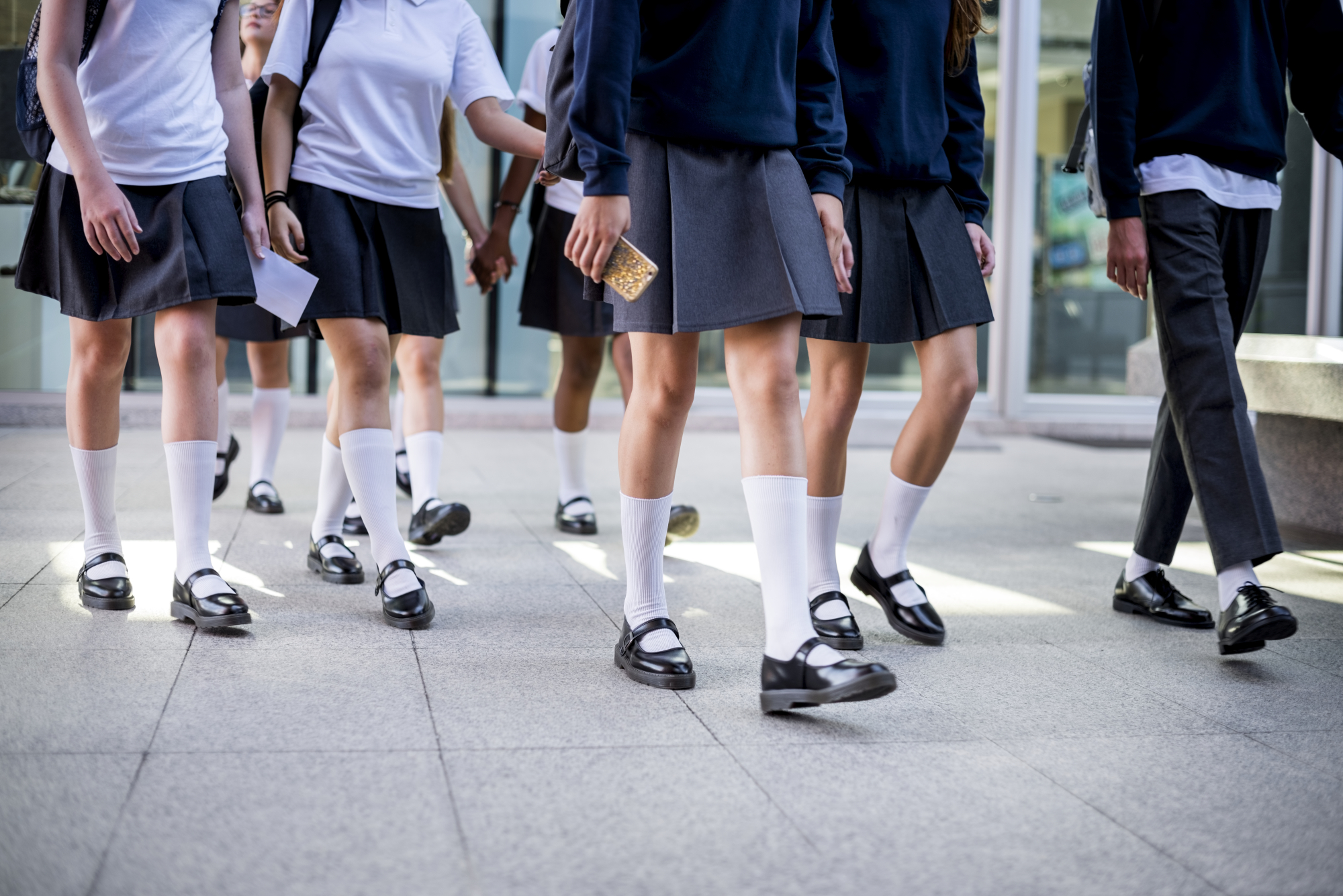
After more than a month of distance learning, students across the UAE are finally returning to the classroom—filling campuses once again with the sound of laughter and conversation. Yet unease remains. Questions about safety, concerns for children’s wellbeing, and uncertainty about what lies ahead are all still weighing heavily on families as regional conditions continue to change.
In a new episode of Wellbeing at Work, a podcast by Workplace Options, a Telus Health company, Vice President and General Manager Sarah Wood sits down with clinical psychologist Marianne Khlat to discuss the impact of ongoing disruption on families across the Gulf region—and what parents, caregivers, and the support systems around them can do to make sense of their experiences, navigate uncertainty, and begin to rebuild a sense of stability as everyday life gradually resumes.
Read an excerpt of their conversation below:
Sarah: To get us started, I was wondering, Marianne, if you could tell us more about the common issues coming up for parents and their children as they move through this latest transition—and how this extended period of disruption has taken a toll on family wellbeing?
Marianne: Yeah, of course. So, one of the things I keep hearing from families right now is this sense of, “Things are supposed to feel normal again, so why don’t they?” And I think that’s really the heart of what we need to talk about today. Just because schools have reopened doesn’t mean everything that happened over the past several weeks has been erased. Families have been through a lot—the uncertainty, the disrupted routines, the worry—and that doesn’t disappear overnight just because schools are open again.
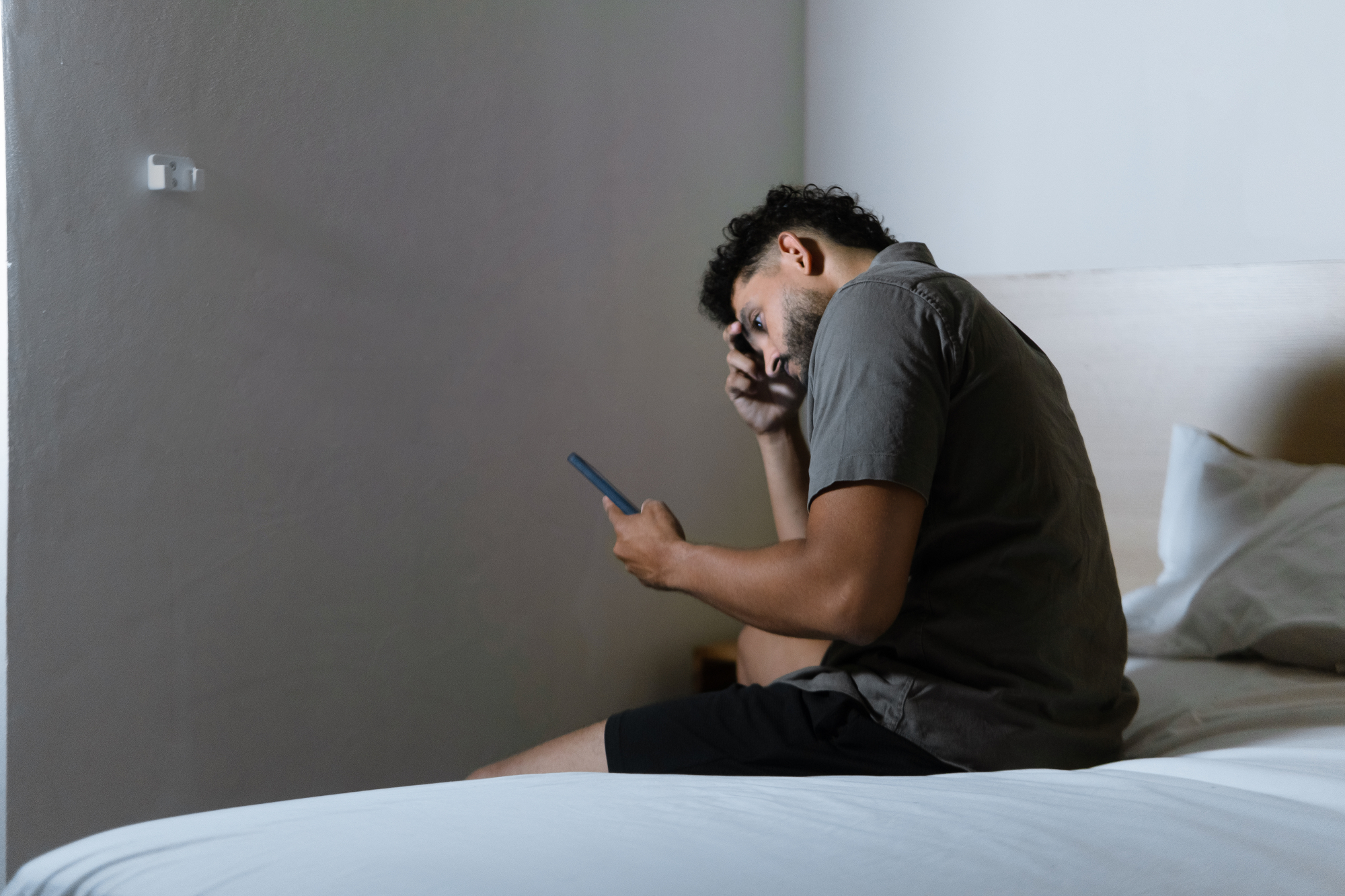
For children, what we often see after a period like this is changes in behavior that can catch the parents off guard. Younger kids might become clingier, have more meltdowns, or suddenly struggle to sleep again. Older kids and teenagers might seem more irritable, more withdrawn, or have a harder time focusing.
And a lot of parents will see this and think, “What am I doing wrong?” But the truth is, these are all normal responses to an abnormal situation. Children process stress through their behavior, and what we’re seeing is simply that.
For parents themselves, the weight is just as real. There are so many ‘what ifs’ still floating around. Will school stay open? Is my job secure? Is my child actually okay? And that constant low-level worry is exhausting, even when nothing is actively going on around them.
So something I really want to name—because I don’t think it gets said enough—is that a lot of parents right now are experiencing something that feels very much like grief. This feeling of, “I couldn’t fully protect my children from this. I couldn’t control what was happening around us.” And that is a real and valid feeling we’re seeing, and it deserves to be acknowledged rather than brushed aside.
Sarah: Those are all amazing points. I’m sure that parents and caregivers feel inadequate and afraid. They’re stressed, they’re worried. And then, of course, those concerns about changes in their child’s development or behavior that they’re seeing at home just adds an additional layer of stress.
I also wanted to talk to you about some of the more unique challenges the population in the UAE, specifically, might be facing. I know there is a high expat population there, and I imagine this is the first time a lot of families have ever dealt with a crisis of this scale, or had to navigate physical safety concerns. For those who might have evacuated or temporarily relocated during this time, how has that had an impact on their overall wellbeing? And what are some of the challenges they’re facing now as they try to return and re-establish a routine?
Marianne: This is actually a really good question. So the UAE has such a large expat community, and for so many of those families, this was generally the first time they’d ever been through something like this. And they experienced it far from their home countries, their friends and families, and that kind of isolation adds a whole other layer to an already stressful situation.
So for families who did temporarily leave, whether that was a planned evacuation or just a decision made in the moment out of fear, coming back hasn’t necessarily felt like the relief they expected. A lot of families have described to me this feeling of being on edge even after returning—almost waiting for something else to happen. And that makes complete sense.
We’ve been in a situation that felt unsafe, our minds and bodies don’t just switch off that alertness the moment we’re back home. That takes a lot of time.
For children, especially, that return can feel disorienting. They’ve slept in different places; missed a lot of school. They might have seen their parents stressed or scared for the first time in this kind of situation. And even if they’re too young to fully grasp what was happening around them, they pick up on all of it. So coming back to their rooms, their schools, their routine—as much as it’s a good thing, it can still stir up anxiety rather than immediately bringing comfort to them.
Additionally, for expat families, there’s also the bigger, harder question sitting in the background: Do we stay? Is this still the right place for us? Living with that kind of uncertainty makes it difficult for them to fully settle back in the UAE and rebuild based on what happened, as well.
So it’s hard to invest emotionally in stability when part of you isn’t even sure that stability is going to last. So I always say returning home is the beginning of recovery, not the end of needing support.
Sarah: That’s a wonderful point. And I think just really acknowledging that these past couple months have happened—not trying to ignore it or move past it, but really trying to move through it together as a family—is so important.
All right. Now we’ve talked about the immense challenges that families are facing during this time. Now, I’d like to turn to what can be done to help. For parents, caregivers, and their families, what are some practical resources or strategies they can use to protect their wellbeing in the face of uncertainty?
Marianne: I really love this question because I think what a lot of families need right now isn’t necessary something complicated. It’s actually some fairly simple things that can be done consistently to help them protect their wellbeing. The first thing I always come back to is…
Interested in hearing the rest of their conversation?
Tune in now on Apple Podcasts, Spotify, YouTube, or on our podcasts page.