
Your Member Benefits Website features include:

  • Access to online articles with helpful information
  • Ability to submit an online form asking a counsellor to contact you
  • Topics covering working life, wellness, parenting, management, etc.
  •  
  • On the next screen, you’ll be asked to enter your company code and company password.

Your Customer Hub features include:

  • Automated headcount updates in UCMS
  • Invoicing reflective of the active populations under your account
  • Access Reporting with case trends, disruptive issues, use

Local Service Partners

Local Service Partners are independent EAPs with which WPO has established strategic relationships for the delivery of global EAP services in alignment with the WPO models, processes and quality standards.


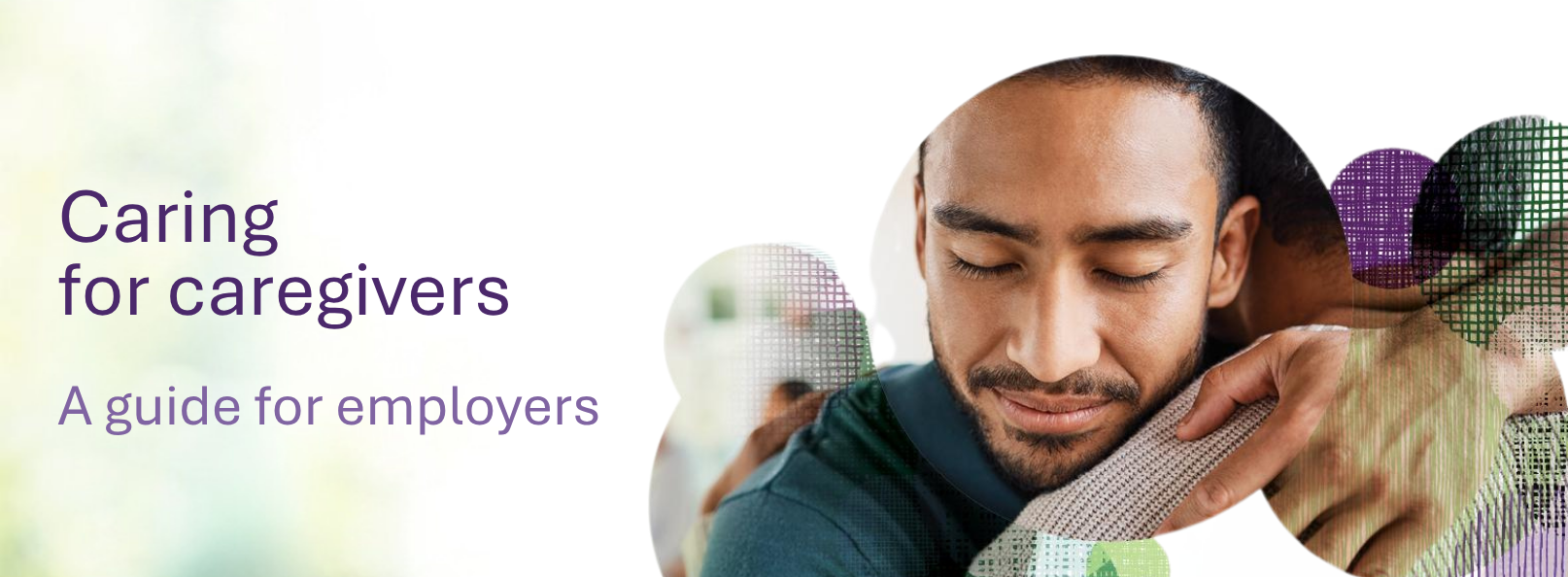
Caring for caregivers: A guide for employers

Why caregiver mental health is part of workplace wellbeing

Each May, Mental Health Awareness Month serves as a powerful reminder of the importance of emotional wellbeing – and this year, it provides a critical opportunity to recognise a group whose needs are often overlooked: caregivers. Whether supporting ageing parents, children with additional needs or loved ones navigating illness, caregivers shoulder extensive responsibilities that can profoundly impact their mental, emotional and physical health.

The role of a caregiver is one of deep commitment, compassion and resilience. Yet the demands placed on caregivers are immense. Many manage complex medical tasks, coordinate appointments, handle household needs and maintain employment –all whilst providing continuous emotional support to those who depend on them. This constant pressure can lead to significant challenges, including emotional strain, chronic stress and burnout.

For employers, acknowledging the mental health needs of caregivers within their workforce is no longer optional – it is essential. When caregivers struggle, it influences not only their personal wellbeing but also their energy, engagement and productivity at work. By paying close attention to the caregiver experience, employers can foster a more compassionate, stable and high-performing workplace.

Related Resources

Each May, Mental Health Awareness Month serves as a powerful reminder of the importance of emotional wellbeing – and this year, it provides a critical opportunity to recognise a group whose needs are often overlooked: caregivers. Whether supporting ageing parents, children with additional needs or loved ones navigating illness, caregivers shoulder extensive responsibilities that can profoundly impact their mental, emotional and physical health.

  • 6 April 2026

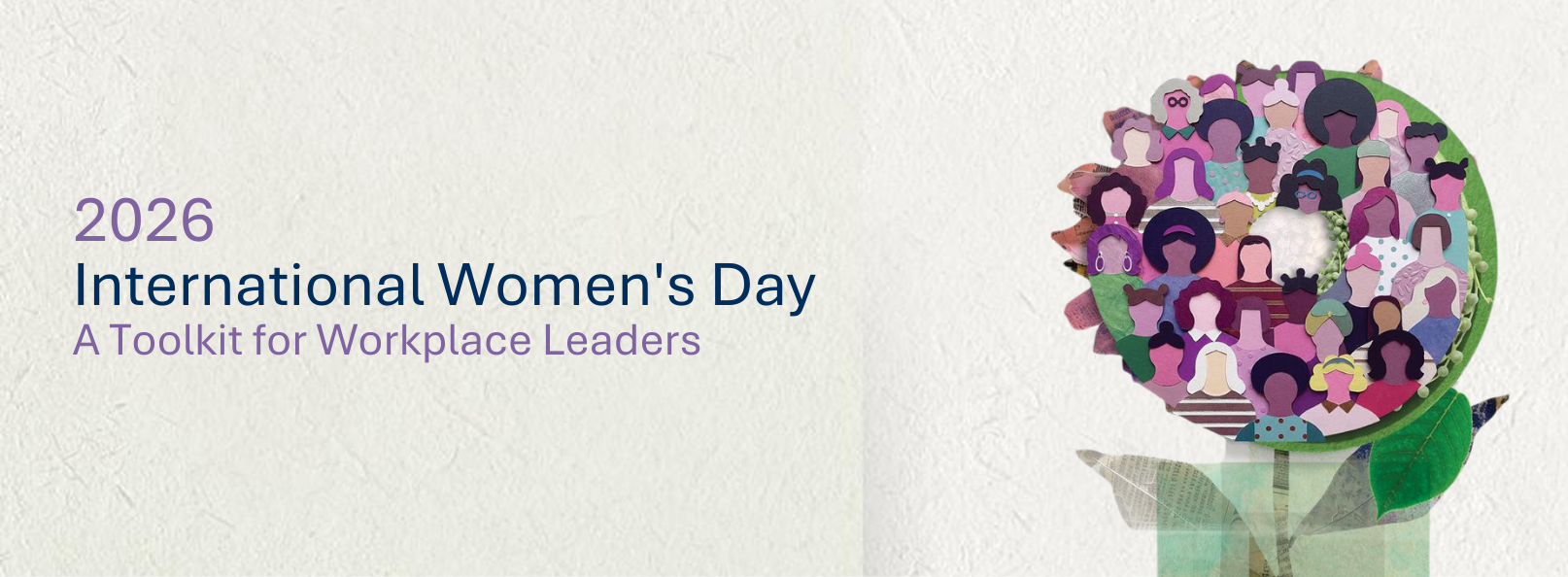
International Women's Day (IWD) has always been about recognition, but in 2026, it's also about reflection and responsibility. For organisations around the world, this day invites us to pause and ask a deeper question: Are our workplaces truly designed for the full reality of women's lives or just the version that's easiest to accommodate?

  • 27 January 2026

Mental health is critical to human health and wellbeing, yet mental health problems are more likely to go undiagnosed and untreated than physical health problems. With the pandemic, international conflict, increased financial stress from inflation, and concerns about food and fuel shortages, mental health is being challenged in new ways.

  • 26 August 2025

In partnership, WPO and IIRSM are coordinating efforts to help organisations succeed by addressing employee wellbeing, psychological safety, and psychosocial risk.

  • 6 February 2025

Accidents can happen, even in the safest work environments. People we care about may become sick and even die. Bad actors can bring violence into the workplace. Regional and world events can upset the equilibrium of work. The challenge for employers is to make the workplace as safe as possible for employees, build organisational and individual resilience, and be prepared to respond effectively when that safety is breached and employees' feelings of security and stability are shaken.

  • 7 October 2024

2026 Psychological Safety Study: Transforming Employee Engagement Through Data-Driven Wellbeing Insights