

Your Member Benefits Website features include:

  • Access to online articles with helpful information
  • Ability to submit an online form asking a counselor to contact you
  • Topics covering working life, wellness, parenting, management, etc.
  •  
  • On the next screen, you’ll be asked to enter your company code and company password.

Your Customer Hub features include:

  • Automated headcount updates in UCMS
  • Invoicing reflective of the active populations under your account
  • Access reporting with case trends, disruptive issues, utilization

Local Service Partners

Local Service Partners are independent EAPs with which WPO has established strategic relationships for the delivery of global EAP services in alignment with the WPO models, processes and quality standards.


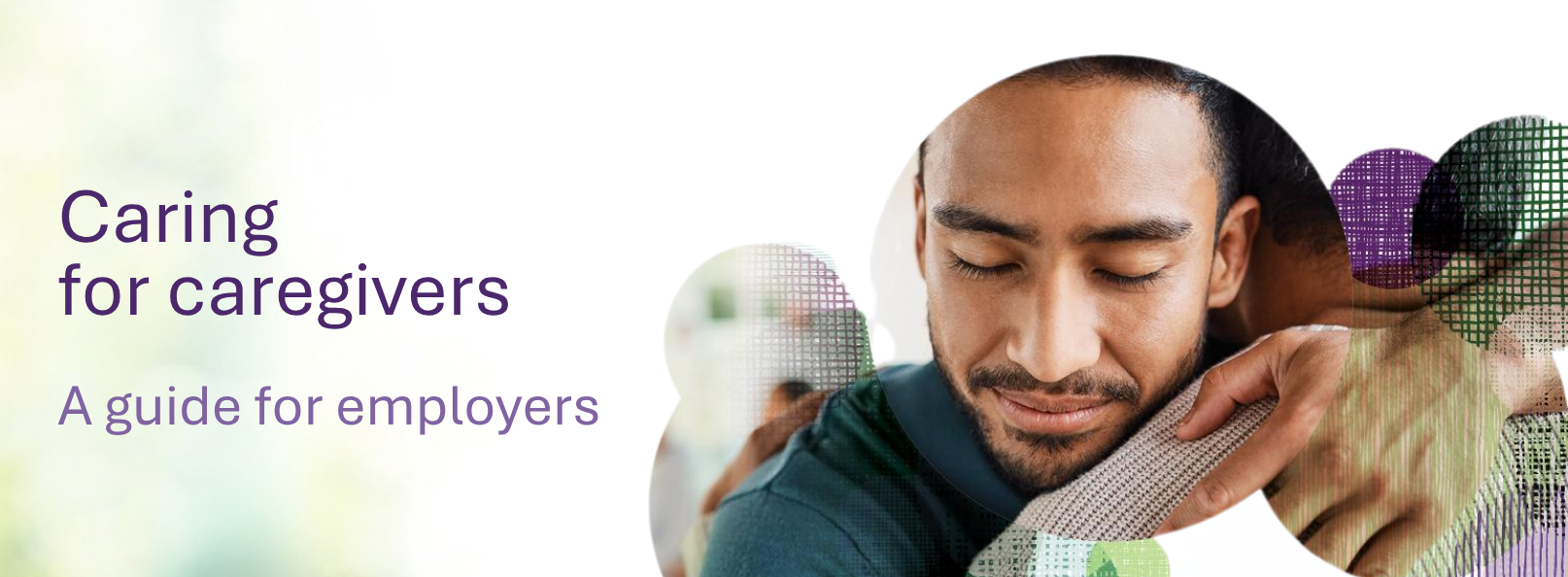
Caring for caregivers: A guide for employers

Why caregiver mental health is part of workplace wellbeing

Each May, Mental Health Awareness Month serves as a powerful reminder of the importance of emotional wellbeing – and this year, it provides a critical opportunity to recognize a group whose needs are often overlooked: caregivers. Whether supporting aging parents, children with special needs or loved ones navigating illness, caregivers shoulder extensive responsibilities that can profoundly impact their mental, emotional and physical health.

The role of a caregiver is one of deep commitment, compassion and resilience. Yet the demands placed on caregivers are immense. Many manage complex medical tasks, coordinate appointments, handle household needs and maintain employment – all while providing continuous emotional support to those who depend on them. This constant pressure can lead to significant challenges, including emotional strain, chronic stress and burnout.

For employers, acknowledging the mental health needs of caregivers within their workforce is no longer optional – it is essential. When caregivers struggle, it influences not only their personal wellbeing but also their energy, engagement and productivity at work. By paying close attention to the caregiver experience, employers can foster a more compassionate, stable and high-performing workplace.

Related Resources

Each May, Mental Health Awareness Month serves as a powerful reminder of the importance of emotional wellbeing – and this year, it provides a critical opportunity to recognize a group whose needs are often overlooked: caregivers. Whether supporting aging parents, children with special needs or loved ones navigating illness, caregivers shoulder extensive responsibilities that can profoundly impact their mental, emotional and physical health.

  • 6 April 2026

Mental health is critical to human health and wellbeing, yet mental health problems are more likely to go undiagnosed and untreated than physical health problems. With the pandemic, international conflict, increased financial stress from inflation, and concerns about food and fuel shortages, mental health is being challenged in new ways.

  • 25 August 2025

Women have long been committed to dedicating their time and energy to supporting others. But what about when it comes to their own wellbeing? Recent studies show that women across Canada spend minimal to no time on their own wellbeing, with marginalized women being the most affected. What are the consequences?

  • 29 July 2024

Nearly half of Canadians (41 percent) who sought support for their mental health in the past year faced obstacles or altogether failed to receive it. This challenge is particularly acute for miners, whom survey findings suggest are not only at a heightened risk of not receiving the care they need but are also at greater risk of experiencing psychological distress along with common mental health disorders like depression, anxiety, posttraumatic stress disorder (PTSD), and suicidality.

  • 18 March 2024

Organisational risk management has broad applications, from mitigating financial risk to recognising and managing risks in safety, quality, health, legal liability, and the organization's impact on the environment. Risks to and from an organisation's employees fall within the scope of risk management, typically with a focus on reducing the risk of accidents, injuries, or illness and putting controls in place to prevent employee theft or fraud. Workplace safety, for example, is commonly seen as part of risk management, and that concern extends to aspects of employee health, such as fatigue, that can impact accidents and error rates.

  • 11 September 2023

2026 Psychological Safety Study: Transforming Employee Engagement Through Data-Driven Wellbeing Insights