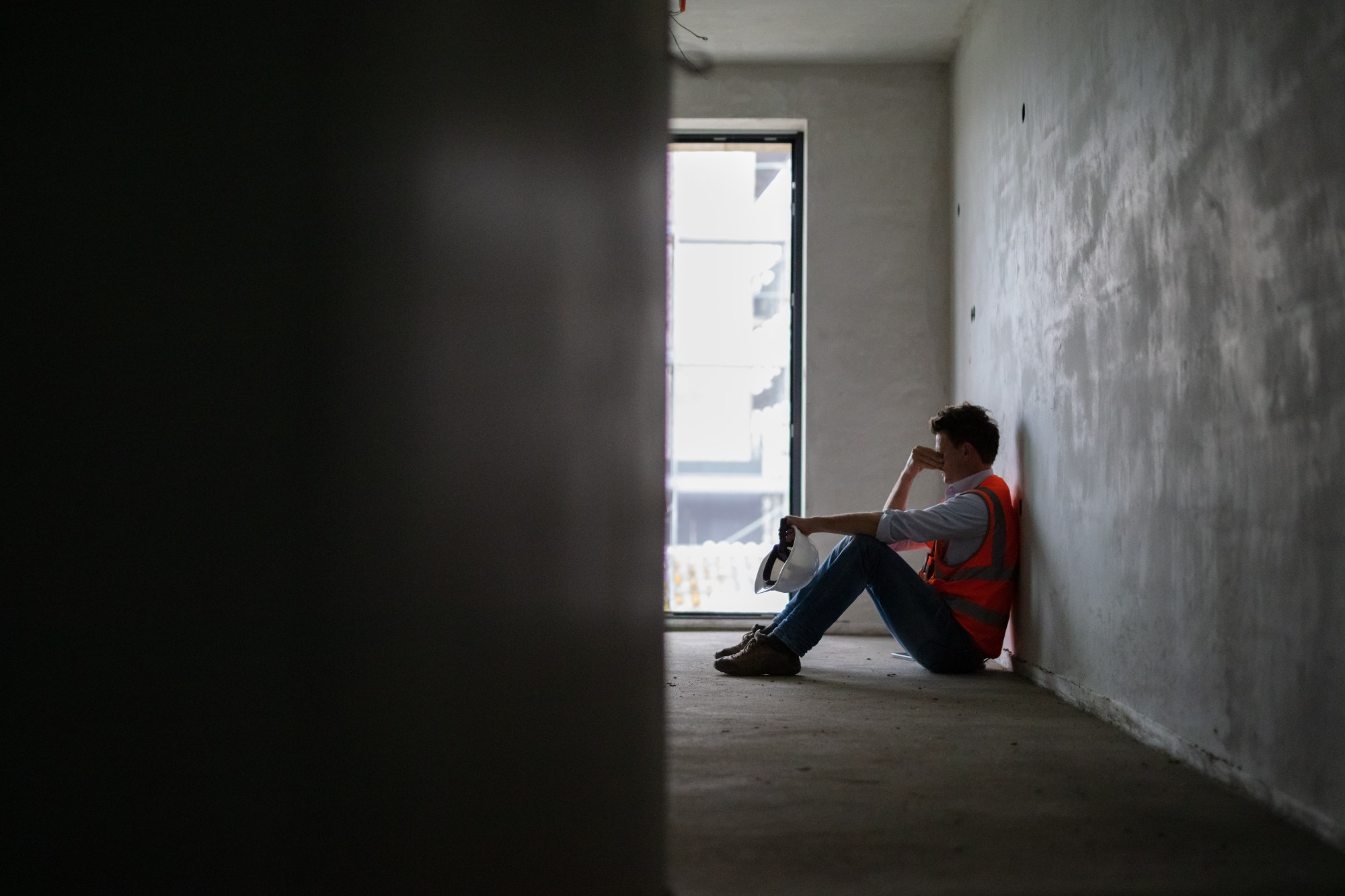
It happened without fanfare. Marianne, a 36-year-old working mother of three, was just approaching her desk when her back made a loud popping sound as she slipped off her bag. It wasn’t all that painful at first—likely just a pulled muscle, she thought to herself, as she spent the rest of the day gently massaging her lower back. That night, she placed a heating pad underneath her while she slept, convinced by the next morning this would all be in the past.
Flash forward two months later, and what she was experiencing was no longer a simple strain. What began as some discomfort and mild stiffness along her spine had evolved into a sharp pain that radiated down her legs. The constant pain kept her up at night, leaving her exhausted and emotionally depleted, while the loss of mobility chipped away at her mental health.
Repeated scans and specialist appointments eventually revealed a herniated disc with nerve involvement. By that point, the prolonged inactivity had triggered a cascade of additional health challenges, including hypertension, chronic pain, frequent bouts of insomnia, and worsening anxiety as the uncertainty surrounding her situation grew.
Physical therapy appointments soon flooded her calendar. Medications for nerve pain, inflammation, and the sleep disturbances they caused became part of her daily routine. Even spending time with family suddenly required careful planning, as larger tasks—like going back to work—drifted entirely out of reach.
Before she knew it, Marianne had been out of work for nine weeks—scared of what the future had in store for her job, her family, and her overall health.
The Growing Burden of Multimorbidity
As cases of noncommunicable diseases (NCDs) soar, Marianne’s story offers just one example of what chronic morbidity can look like for the average individual.
For many people living with chronic illness, that “illness” is rarely confined to a single diagnosis. Changes in health status, mobility, employment, and financial security will often set in motion a series of secondary health issues, from mood and substance use disorders to physical health complications. Findings from the OECD’s Health at a Glance 2025 report show that nearly 52 percent of adults are living with two or more chronic conditions, with rates expected to climb 75 percent in the coming years.
This presents a major challenge for insurers, as co-morbid conditions cost nearly 50 percent more on average than single-disease cases. Work incapacity plays a central role in this burden, as those with comorbidities are nearly twice as likely to be out of work. As a result, chronic conditions cost the global economy trillions of dollars each year in lost wages and health expenditure—a figure projected to reach $47 trillion by 2030.
In light of this, it’s clear more must be done to help those with chronic conditions restore their health and return to work. Research consistently highlights the many challenges people face when left to recover on their own, including stigma, care complexity, inadequate employer support.
Time is of particular concern in the case of long-term disability. As Bill Dyer, Director of Poverty Reduction for the National Institute of Disability Management and Research (NIDMAR), recently told the Canadian HR Reporter, “the longer someone’s on claim—the longer they’re away from the workplace—[the harder it becomes] to assist the individual in overcoming the barriers to return.”
The longer time goes by, the more likely someone is—like Marianne—to experience compounding health issues such as chronic stress, muscular atrophy, or cardiometabolic conditions that place an additional strain on wellbeing. As these challenges multiply without corresponding support from care providers or employers, the need for insurer intervention becomes critical.
The goal for insurers, then, is to reduce the time individuals spend on leave—not only to contain costs in the near-term but to minimize the risk of recurrence and additional claims. By investing in a comprehensive rehabilitation program, insurers can do just that—reducing the duration of claims by up to 25 percent.
With Workplace Options’ Rehabilitation, Return to Health and Work program, insurers can provide the integrated support individuals need to restore balance, regain function, and successfully return to work. Our occupational counselors are ready to assist each individual on a sustainable reentry plan tailored to their current capacity and skills, while guiding them toward a full and stable recovery.
A Holistic Path Back to Health and Work
In the event of a serious illness or injury, we recognize that the effects can extend far beyond a person’s physical wellbeing. Being out of work, missing out on opportunities, outsourcing household or family responsibilities—all these can weigh heavily on a person’s psychosocial health.
The longer an individual is out on leave, the more questions start to emerge: “What will happen to my job? My finances? Career?” “Will I ever get back to doing the things I love?” “Will life ever return to normal?”
In these moments, these questions are completely understandable. Work—and the ability to work—is a major source of stability and purpose in our lives; without that sense of structure and accomplishment, it’s easy to feel adrift. That’s what makes programs like Rehabilitation so important for those on sick leave—and why so many traditional return-to-work initiatives fall short.
Too often, reintegration efforts focus mostly on administrative milestones: Did the employee return on the agreed-upon date? Have accommodations been documented? Has a follow-up meeting been scheduled? Has the employee been briefed on changes?
While these questions are certainly all part of an effective reentry, alone they fail to account for the more interpersonal components of recovery: Did the employee feel supported while they were away? Do they feel comfortable discussing any doubts or concerns they might have about reentry? Are accommodations reasonable and aligned with their needs? Does the employee feel welcomed and ready to return?
Especially for those with invisible or less understood conditions—think mental health disorders, PMOS, fibromyalgia, and chronic fatigue syndrome—the return-to-work experience can be tepid at best. Many report experiencing harassment or skepticism from managers or peers who struggle to understand the legitimacy of their condition or reason for accommodations. Others still describe feeling forgotten during their leave or isolated upon their return, creating additional barriers to successful reintegration.
With Rehabilitation, insurers can help remove many of these barriers, empowering employers to facilitate a more thoughtful and coordinated return to work. Through the program, a dedicated team of psychosocial and occupational counselors works closely with employees and managers to develop customized reentry plans tailored to employees’ needs. This helps reduce uncertainty around what the employee is experiencing and which accommodations are best to support long-term success.
For those living with multiple chronic conditions, this hands-on approach can be especially impactful. Survey data reveals a persistent reluctance to disclose a diagnosis out of fear of being seen as weak or overly dependent on support. Some will even go so far as to avoid taking their medications in order not to be perceived as unreliable or unfit. This inevitably increases their chances of relapse or worsening symptoms, potentially accelerating the onset of additional health issues.
With the team’s support, employees and managers are guided toward a shared understanding of the employee’s health status and needs, vastly reducing the challenges employees face as they return to work.
Support for the Whole Person: Psychosocial and Physical
At the same time, a dedicated health and fitness coach also works with employees to develop a personalized plan for restoring physical health.
In addition to delayed reintegration, research also shows that toxic work environments can undermine health maintenance. Demanding workloads, unsupportive managers, and the fear of judgment from peers can not only exacerbate physical and psychological strain but also discourage individuals from prioritizing their health. With the help of a dedicated coach, employees are empowered to take a more active role in their recovery, building habits that promote wellbeing and reduce the risk of setbacks.
By addressing physical, psychosocial, and occupational needs together, the program helps ensure a more holistic recovery and successful return. Coaches provide tailored guidance for balancing work and wellbeing, while counselors help shape environments that support health and performance.
In this way, insurers can protect policyholder wellbeing while minimizing long-term costs—facilitating not only a successful return to work, but a lasting recovery and return to health.
To learn more about how Rehabilitation delivers better outcomes for insurers and individuals, visit our wellbeing solutions page or connect with us today.